Author: Morris Chalbott
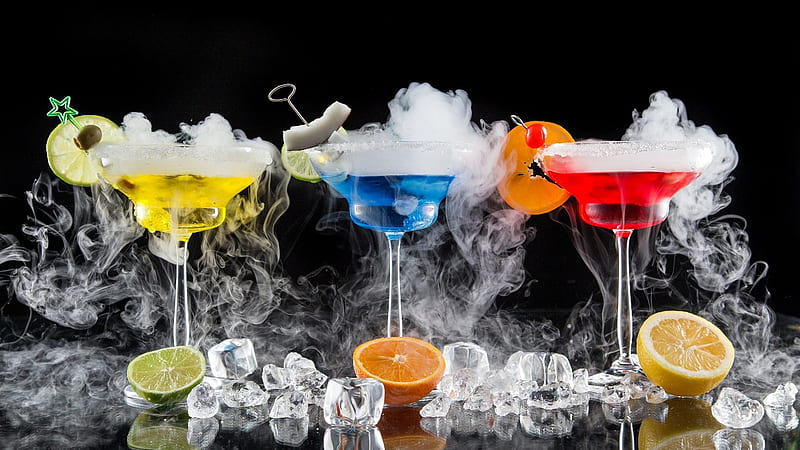
On the Rocks: Mastering the Art of Ice in Cocktails
Ice is an essential element in the world of mixology, often overlooked but playing a crucial role in the creation of exceptional cocktails. From chilling and dilution to adding texture and visual appeal, ice can make or break a drink. In this article, we delve into the art of ice in cocktails and explore how bartenders can master its usage to elevate their craft. Whether you’re a novice or a seasoned professional, understanding the significance of ice and its various forms will undoubtedly enhance your cocktail-making skills.
The Importance of Ice in Cocktails
Ice is not merely a means to cool down a drink; it significantly contributes to the overall experience of a cocktail. Its purpose extends beyond temperature control, as it affects dilution, mouthfeel, and even the visual appeal of a beverage. Dilution, for instance, plays a vital role in balancing the flavors of a cocktail, reducing the harshness of spirits and allowing the other ingredients to shine. The choice of ice and its preparation method are crucial considerations that can make a substantial difference in the final result.
Understanding Ice Types
Not all ice is created equal when it comes to cocktails. Bartenders have various options available to them, each with unique characteristics and applications. The common types of ice used in cocktails include standard cubes, cracked ice, crushed ice, and large format ice. Standard cubes are versatile and ideal for many drinks, while cracked ice offers rapid chilling and increased dilution. Crushed ice is perfect for tropical and refreshing concoctions, adding texture and enhancing the overall experience. Large format ice, such as ice balls or cubes, is visually appealing and slows down dilution, making it suitable for sipping spirits.
The Art of Ice Preparation
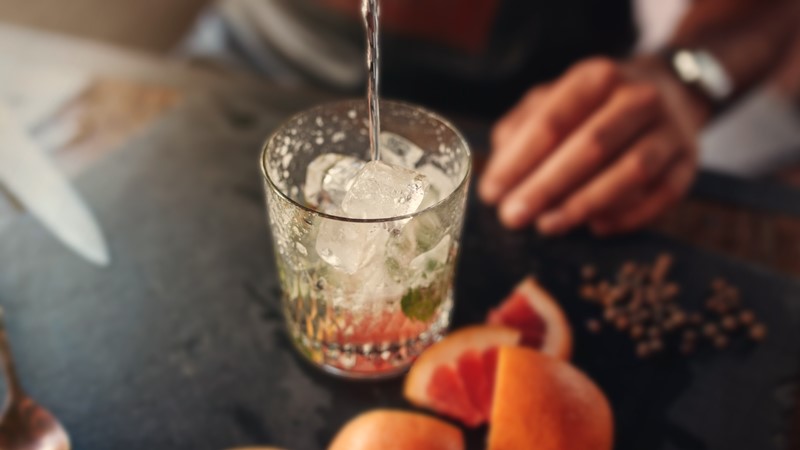
Proper ice preparation is an essential skill that every bartender should master. It involves attention to detail, from the quality and clarity of the ice to the method of freezing. Start by using high-quality water, ensuring it’s free from impurities that can affect the taste and appearance of the ice. Boil and cool the water before freezing it to eliminate air bubbles and improve clarity. Depending on the desired ice shape, use silicone molds, specialized ice machines, or hand-carving techniques. Clear, pristine ice not only enhances the visual presentation of a cocktail but also melts slower, preserving the drink’s integrity.
Ice Etiquette and Presentation
Beyond the technical aspects, ice etiquette and presentation are crucial for elevating the overall cocktail experience. Bartenders should consider the appropriate glassware for each drink, ensuring it complements the type and shape of ice used. Clear ice can be enhanced with garnishes frozen within, such as fruit slices or herbs, adding visual appeal and aromatic elements. Additionally, employing specialized tools like ice picks or mallets allows bartenders to create customized ice shapes and sizes, enhancing the uniqueness of their creations.
Conclusion:
The art of ice in cocktails goes far beyond its cooling properties. It contributes to the flavor balance, texture, and visual appeal of a drink, making it an indispensable element of mixology. By understanding the different types of ice, mastering ice preparation techniques, and paying attention to presentation, bartenders can take their cocktail game to new heights. Experimenting with various ice forms and exploring creative garnishes will enable bartenders to craft unforgettable libations that leave a lasting impression on their guests. So, embrace the art of ice and raise your bartending skills to the next level. Cheers!
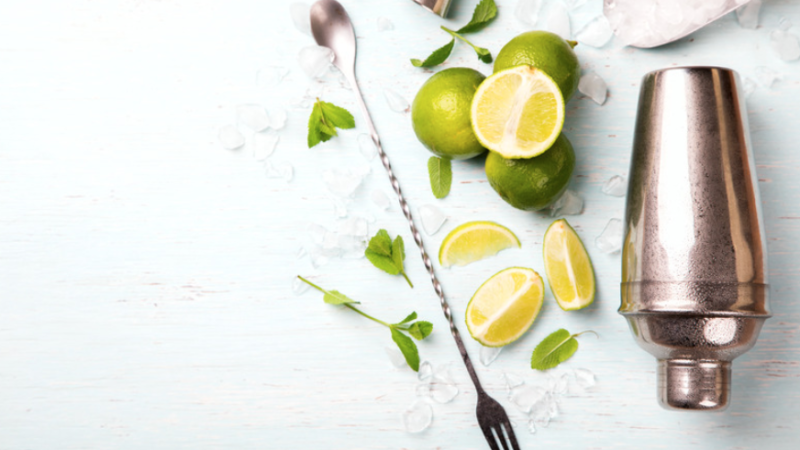
The Art of Mixology: Mastering the Craft of Cocktail Creation
Welcome to the world of mixology, where the art of crafting cocktails comes alive. Mixology is more than just pouring a few spirits into a glass; it is a carefully curated symphony of flavors, textures, and visual appeal. In this article, we will delve into the intricacies of mixology, exploring the techniques, ingredients, and creativity that go into mastering the craft of cocktail creation.
The Fundamentals of Mixology
Understanding the Basics
To embark on the journey of mixology, it is crucial to familiarize yourself with the fundamental components. From understanding the different types of spirits, liqueurs, and mixers to learning about glassware and bar tools, this section will provide you with a solid foundation to build upon.
Essential Techniques
Mixology is an art that requires mastering various techniques. From muddling and shaking to stirring and layering, each technique brings its unique touch to a cocktail. We will explore these techniques in detail, highlighting their importance in achieving balance and depth of flavors.
The Science of Mixology
Delving deeper, we will unravel the science behind mixology. Understanding the principles of taste, flavor pairing, and the role of texture in cocktails will elevate your creations to new heights. Explore the chemistry behind a perfectly balanced cocktail and learn how to manipulate ingredients to create unique and memorable drinks.
Building a Flavorful Foundation
Exploring the World of Ingredients
The backbone of any remarkable cocktail lies in its ingredients. Discover the vast array of spirits, liqueurs, bitters, and fresh ingredients that can be used to craft tantalizing flavors. From classics like gin, whiskey, and rum to lesser-known spirits, this section will broaden your horizons and inspire your creativity.
Embracing Seasonality
Seasonal ingredients add a vibrant and dynamic element to cocktails. We will discuss how to incorporate seasonal fruits, herbs, and spices to create drinks that capture the essence of each season. Discover how to make the most of local produce and explore innovative flavor combinations.
Crafting Signature Syrups and Infusions
Elevate your mixology skills by mastering the art of creating homemade syrups, infusions, and tinctures. From fruity syrups to herb-infused spirits, these additions will add depth and complexity to your cocktails. Learn the techniques for extracting flavors and infusing them into your creations.
Unleashing Your Creative Spirit
The Art of Cocktail Presentation
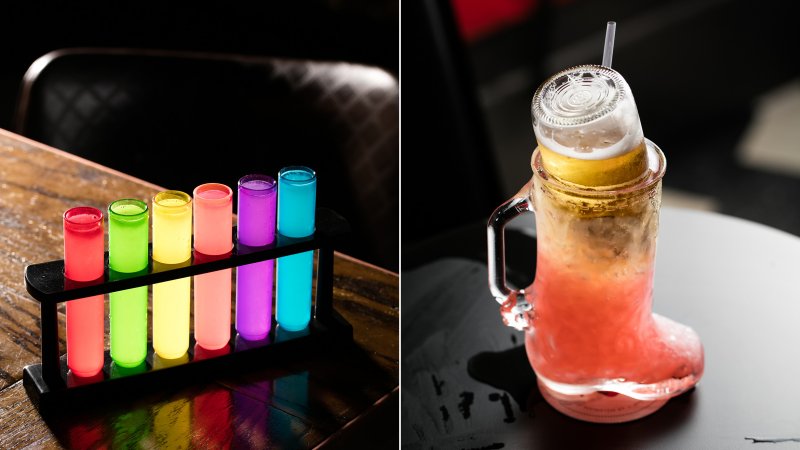
Visual appeal is just as important as taste when it comes to mixology. Discover the secrets of garnishing, glassware selection, and presentation techniques that will elevate your cocktails from ordinary to extraordinary. Unleash your creativity and make your drinks Instagram-worthy.
Pushing the Boundaries
The world of mixology thrives on innovation and experimentation. We will explore the concept of molecular mixology, where science and creativity collide to create avant-garde cocktails. Learn how to incorporate techniques such as foams, gels, and liquid nitrogen to push the boundaries of mixology and surprise your guests.
The Art of Pairing Cocktails with Food
Take your mixology skills to the dining table by mastering the art of pairing cocktails with food. Discover the principles behind matching flavors, textures, and intensities to create harmonious combinations. From appetizers to desserts, unlock the secrets of culinary mixology and become the ultimate host.
Tools, Tips, and Tricks of the Trade
Essential Bar Tools and Equipment
A bartender is only as good as their tools. Familiarize yourself with the essential bar tools and equipment that every mixologist should have. From shakers and muddlers to jiggers and strainers, we will discuss their uses and how they contribute to the art of mixology.
Bartending Techniques and Etiquette
Apart from mastering the craft, a skilled bartender must also possess excellent customer service and bar etiquette. Learn the tricks of the trade, including efficient multitasking, engaging with customers, and managing a bar station with finesse.
Industry Trends and Innovations
Stay ahead of the curve by exploring the latest trends and innovations in the world of mixology. From new spirits and cocktail styles to emerging techniques and bar concepts, this section will keep you informed and inspired.
Conclusion:
Mastering the craft of mixology is a journey that combines passion, knowledge, and creativity. By understanding the fundamentals, exploring ingredients, embracing creativity, and staying up-to-date with industry trends, you can become a maestro of mixology. So raise your glass and embark on this exciting adventure, and let the art of mixology take you to new heights of cocktail creation. Cheers!
The Essential Bartending Tools: What You Need to Get Started
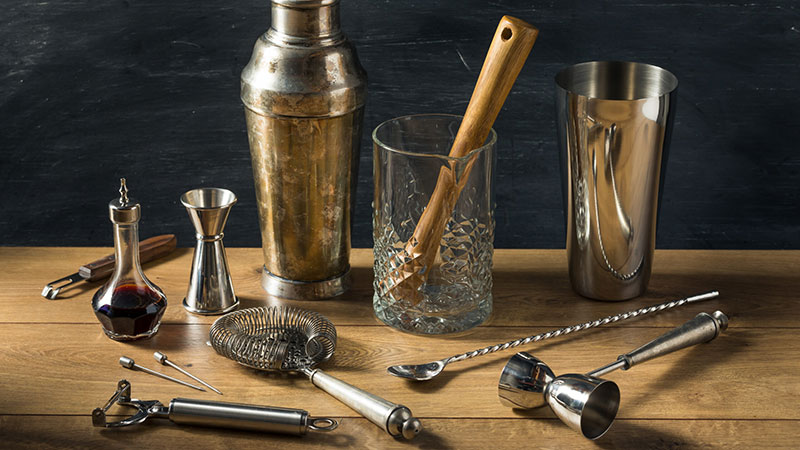
Mastering the art of mixology requires more than just passion and creativity; it also requires the right set of bartending tools. Whether you’re a budding bartender or an aspiring home mixologist, having the essential tools at your disposal can make a world of difference in crafting delicious and visually appealing cocktails. In this article, we’ll explore the four must-have bartending tools that will elevate your cocktail game and help you create memorable drinks that leave a lasting impression on your guests.
Shakers and Strainers: Perfecting the Art of Mixing
To create a well-balanced cocktail, the first tool you’ll need is a reliable shaker. Shakers come in various designs, but the most common ones include the Boston tool variation. The Boston shaker consists of a mixing glass and a metal tin that fit snugly together, allowing for efficient mixing and chilling of ingredients. On the other hand, the cobbler shaker features a built-in strainer and a cap, making it a convenient option for beginners.
Accompanying your shaker, a strainer is an indispensable tool for separating the liquid from the ice and other solid ingredients. The Hawthorne strainer, with its spring coil and flat perforated plate, is the most widely used type. It fits perfectly on top of the shaker, allowing for controlled pouring and ensuring your cocktails are smooth and free of unwanted debris.
Essential Measuring Tools: Precision is Key
Achieving consistency in your cocktail creations requires accurate measurements. That’s where measuring tools come into play. The most common measuring tool is the jigger, a double-sided vessel with different capacities on each end. It allows you to measure both larger quantities, such as spirits, and smaller quantities, such as syrups or bitters, with ease and precision.
For those seeking a more advanced option, a graduated mixing glass with measurement markings can be a valuable addition to your toolkit. This versatile tool allows you to measure and mix ingredients directly, making it a favorite among professional bartenders.
Muddlers and Stirrers: Infusing Flavors and Mixing Drinks
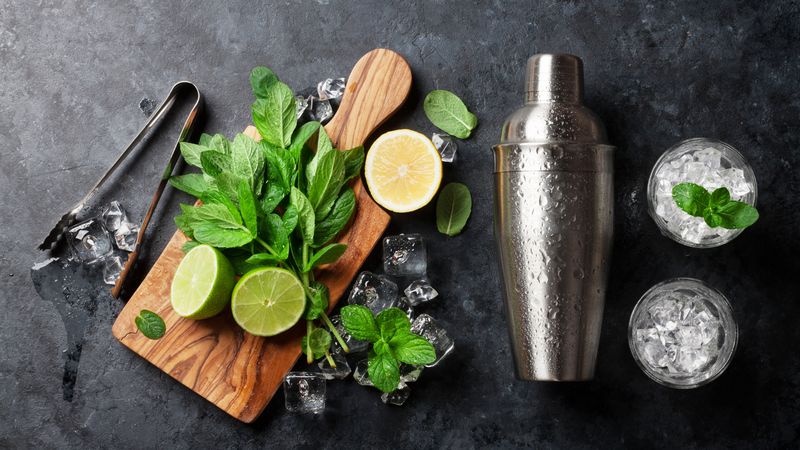
To release the aromatic flavors of herbs, fruits, and spices in your cocktails, you’ll need a muddler. This tool is designed to crush and extract essential oils from ingredients, enhancing the overall taste profile of your drinks. A muddler with a textured end provides a better grip and ensures efficient muddling.
Stirrers, on the other hand, are used for gently mixing ingredients without excessive agitation. Long-handled bar spoons with twisted stems are ideal for stirring cocktails in tall glasses or shakers. Additionally, they often feature a flat disc at the end, which can be used for layering drinks with different densities.
Garnish Tools: Elevating Presentation and Aesthetics
The visual appeal of a cocktail is just as important as its taste. To create stunning garnishes, you’ll need the right tools. A citrus zester or peeler is a must-have for adding zest or garnishing with citrus twists, while a channel knife helps create intricate fruit peels that can be used to decorate the rim of a glass or as a finishing touch on a drink.
Furthermore, investing in a reliable pair of tweezers is beneficial for placing delicate garnishes, such as herbs or edible flowers, with precision. These fine-tipped tweezers give you full control, ensuring your garnishes are perfectly positioned and ready to impress.
Conclusion:
As you embark on your bartending journey, equipping yourself with the essential tools is paramount to your success. Shakers and strainers, measuring tools, muddlers and stirrers, and garnish tools are the cornerstones of any well-equipped bartending kit. By having these tools at your disposal, you’ll be equipped to mix, muddle, measure, and garnish with finesse, elevating your cocktails to a whole new level. So gather your tools, unleash your creativity, and get ready to shake up some extraordinary concoctions that will delight and satisfy even the most discerning of palates. Cheers to your bartending adventures!
Mastering the Art of Mixology: A Beginner’s Guide to Bartending
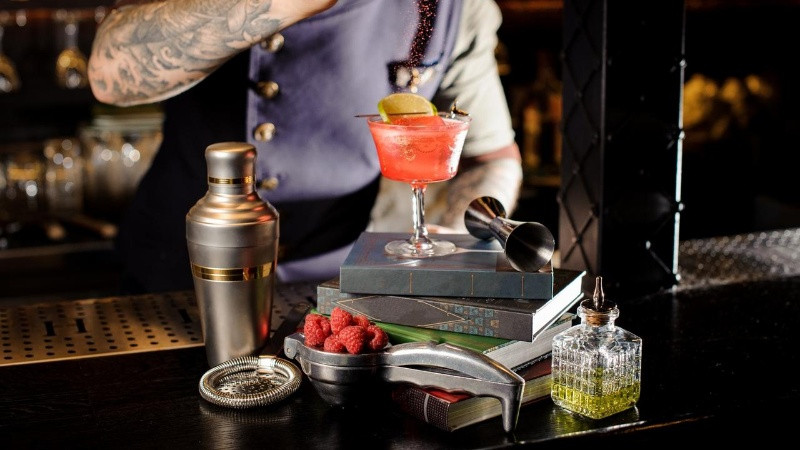
Welcome to the glamorous world of mixology! Whether you’re an aspiring bartender, a home enthusiast looking to impress your guests, or simply someone curious about the craft of cocktail-making, this beginner’s guide is here to help you master the art of mixology. In this article, we will explore the fundamental techniques, essential tools, and key ingredients that will set you on the path to becoming a skilled bartender. So, grab your shaker and let’s dive into the world of mixology!
Understanding the Foundations of Mixology
To become a proficient mixologist, it’s important to understand the basics of mixology. This section will cover the fundamental concepts and techniques that form the backbone of this craft. We’ll explore the importance of balance in cocktails, the different types of spirits, and the art of creating flavor profiles that delight the palate.
Essential Tools of the Trade
A bartender’s toolkit is incomplete without the essential tools required to create artful concoctions. From shakers to strainers, jiggers to muddlers, we’ll discuss the must-have tools for every aspiring mixologist. Understanding how to use these tools properly will not only elevate your bartending skills but also enhance the overall experience for your patrons.
Timeless Elegance: Mastering Classic Cocktails
Classic cocktails have stood the test of time and are a staple in any bartender’s repertoire. In this section, we’ll explore iconic drinks such as the Martini, Old Fashioned, and Margarita, breaking down their components and techniques. Understanding the classics will provide a solid foundation for creating your own unique twists on these timeless libations.
Modern Mixology: Creativity Unleashed
Mixology is an art that embraces creativity and experimentation. This part of the article will delve into the world of modern mixology, where bartenders push boundaries, infuse flavors, and invent new cocktails. We’ll explore innovative techniques, such as molecular mixology, and discuss how to create signature drinks that reflect your own style and personality.
Garnishes and Glassware: Elevating the Visual Experience
Presentation is a vital aspect of mixology that adds flair and charm to your creations. We’ll delve into the world of garnishes, discussing how to choose the right ones for your cocktails and how to incorporate them creatively. Additionally, we’ll explore the importance of selecting appropriate glassware to enhance the overall visual appeal of your drinks.
Mastering Mixology Aesthetics
Beyond garnishes and glassware, there are numerous ways to elevate the aesthetics of your cocktails. From layering techniques to the art of the perfect pour, we’ll provide tips and tricks to create visually stunning drinks. After all, a beautifully presented cocktail is not only a treat for the taste buds but also a feast for the eyes.
Perfecting the Art of Hospitality

Aside from mastering the technical aspects of mixology, being a great bartender also involves providing exceptional hospitality. We’ll discuss the importance of customer service, understanding your guests’ preferences, and creating a welcoming atmosphere. Building a connection with your patrons goes a long way in ensuring they have a memorable experience.
Developing Your Palate and Expanding Your Knowledge
To truly excel as a mixologist, it’s crucial to develop your palate and expand your knowledge of spirits, flavors, and techniques. We’ll provide guidance on how to taste and appreciate different spirits, explore various cocktail styles, and recommend resources for further learning. With a thirst for knowledge, you can continue to grow as a bartender and delight your guests with exciting new creations.
Conclusion:
Becoming a skilled mixologist is a journey that requires passion, practice, and an adventurous spirit. In this article, we’ve covered the essentials of mixology, from understanding the foundations to mastering classic cocktails and exploring modern mixology techniques. We’ve also highlighted the significance of presentation, hospitality, and continuous learning. Armed with this knowledge, you’re well on your way to becoming a master of the art of mixology. So, raise your glass and toast to your exciting bartending adventure! Cheers!
How Much You Tip A Bartender
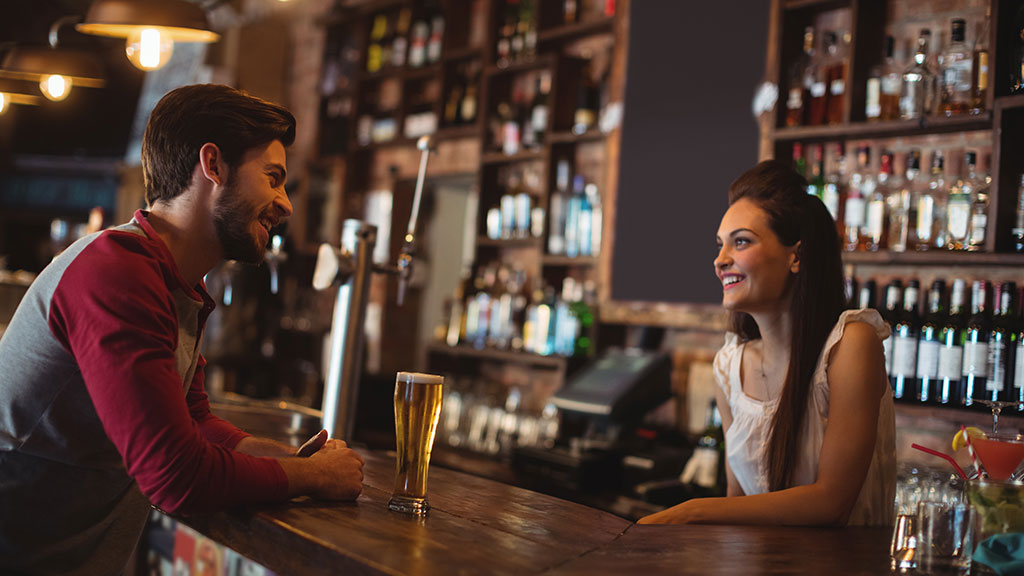
It’s the same story every time. You sit down at a cool new bar and order a drink. The bartender makes it, you pay and then there’s that nagging feeling: Did I tip enough? Did I tip too much? Why is this so hard?
How much to tip is perhaps the most difficult dilemma you’ll encounter while out on the town—besides deciding what to have. To help you out, we turned to our illustrious advisory board. Together, this group of mixological luminaries has decades of experience behind the stick, and we got some solid advice you can put to use.
First off, tip a percentage of the tab, not a flat rate. Dushan Zaric, Allen Katz and Jim Meehan recommend leaving at least 20 percent, no matter if you’re ordering beer in a dive or a fancy mixed drink at a high-end lounge. Gary Regan is even more generous: Tip “as much as you can possibly afford,” he says.
A few situations merit extra tipping. If it’s happy hour and drinks are discounted, Zaric suggests dropping at least $2 per beverage, while Katz says a tip of 25 percent is appropriate. And if you’re lucky enough to get a freebie, Katz says to add a minimum $5 to what you’d have tipped if you’d had to pay for it.
However, tipping extra on the your first round isn’t necessary—“a large first tip (followed by smaller tips) suggests you want special treatment as a guest,” Meehan says, but “a well-run bar with a good bartender should not solicit or encourage this type of tipping.”
There’s also no reason to tip more generously if you’re paying with a credit card versus leaving cash. And if you see a tip jar on the bar, ignore it: Both Zaric and Katz prefer to leave their tips on the bar, as this lets staff keep better track and properly divide up tips at the end of the shift.
What if you get bad service? Be gracious. “Remember what goes around comes around,” Zaric says. “I sucked once, too, and people still tipped me.” Eventually, he got better: The best tip Zaric ever received was a whopping $1,000! To be fair, it was on a $1,000 tab.
3 Useful Books About Bartending
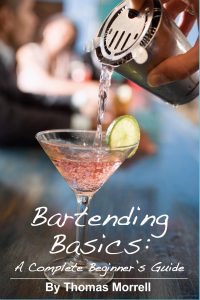 Bartending Basics: A Complete Beginner’s Guide
Thomas Morrell
Thomas Morrell has spent over thirteen years in the restaurant and bar industry. He has worked as a busboy, dishwasher, server, host, cook, manager and most importantly as a bartender. Over the years many people have asked him how they can become a bartender too. This book is his answer. Inside you will find information covering: bartending tools and terminology, Thomas’ customer service philosophy, br, wine, distilled spirits, mixed drinks, how to maximize your tips, bartending working environments, bartending professionalism, responsible bartending, finding work as a bartender”
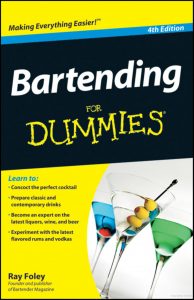 Bartending For Dummies
Ray Foley
This latest edition of Bartending For Dummies features over 1,000 drink recipes in an A-Z format with clear, easy-to-follow instructions.
This 4th Edition also provides:
- Detailed information on how to properly stock a bar
- Expanded coverage on making exotic frozen/blended specialties, specialty coffees, and hot toddies
- Tips on creating unique punches and even non-alcoholic drinks
- Helpful information about experimenting with the latest flavored rums and vodkas including apple, blackberry, blueberry, cherry, grape, mango, and watermelon
- Fun, new ways to garnish, rim, and serve drinks like a master mixologist
- The latest tips and advice on curing hangovers and hiccups
- Advice on choosing the right and latest glassware and mixers
- New recipes covering the hottest shooters such as After Five, Candy Corn, Jelly Bean, and more
- A new section on festive holiday cocktails such as the Grinch and Candy Cane Martini
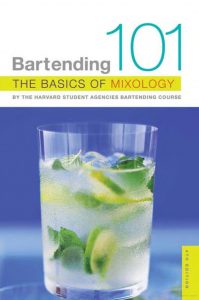 Bartending 101: The Basics of Mixology
Harvard Student Agencies, Inc.
Do you know how to set up a full bar for that party you’re having? How much vermouth to use when your first guest requests a “dry martini on the rocks?” How to measure out a shot of alcohol using the three-count method?
You’ll find the answers to all of these questions and much more in this indispensable guide. Rather than teaching you recipes for drinks you’ve never heard of and will never have to make, the authors focus on the fundamentals of bartending–using the tools, learning the terminology and drink mnemonics, and setting up for a cocktail party. This book will transform the most ignorant imbiber into a sauce-slinger extraordinaire, ready to go out and bartend recreationally or professionally.
This guide includes:
- Basic bar setups, tools, and helpful techniques
- Hundreds of recipes for the most popular drinks and punches, from chocolate martinis to salty dogs
- New chapters featuring everything a bartender needs to know about beer and wine
- A new and improved guide to throwing a fabulous cocktail party
- Hints on finding a bartending job
- Diagrams, illustrations, and many useful tips throughout.
What Is the Average Pay for a Bartender at a Restaurant?
Bartenders usually start out in other food service jobs and move up to the position by learning at work. However, expensive establishments usually hire bartenders with experience or who are graduates of vocational training programs. The job doesn’t have any specific educational requirement. Eighteen is the legal minimum age in most states, although some employers prefer bartenders at least 25 years old. Restaurants have the most jobs for bartenders, but not the highest average pay.
Hourly Restaurant Wages
The average hourly wage for a bartender in a full-service restaurant was $10.64 as of 2011, according to the U.S. Bureau of Labor Statistics. Full-service restaurants employed approximately 207,740 bartenders nationwide in 2011, or 40 percent of the total. Although most bartenders are full-time employees, approximately 40 percent worked part time in 2010, according to the BLS. Weekends, holidays and late-night work are typical for bartenders.
Annual Wage Comparison
The average annual pay of a full-time restaurant bartender was $22,130 as of 2011, according to the statistics bureau. The average bartender in all industries earned $21,550 annually, while the top 10 percent earned at least $31,860 per year. The second-largest employer of bartenders was bars, which had 153,870 employees earning an average of $20,230 per year. Among the top five employers of bartenders, traveler accommodation had the highest pay. This industry had 35,290 bartenders earning an average of $26,180 per year in 2011.
Wage Considerations
Bartenders’ total wages usually include a combination of hourly pay and tips, with the actual breakdown depending on the type of job. Bartenders in full-service restaurants often receive more from tips than from their employers. However, beginning bartenders sometimes receive only federal or state minimum wage. In some states, employers can pay a lower minimum wage to employees who also receive tips. For example, as of 2012, an Arizona employer must pay a tipped employee only $4.65 per hour toward the state minimum wage of $7.65.
Income Taxes
Restaurant bartenders who receive part of their pay as tips must pay federal income taxes on both tips and other wages. The Internal Revenue Service considers tips as part of gross income for filing purposes. The IRS requirement includes tips received directly from a customer, pooled tips and those from charge slips. The IRS requires bartenders to keep a record of tips and recommends using Form 4070A to facilitate filing federal taxes.
Poker Online vs. Poker Langsung: Kelebihan dan Perbedaannya yang Harus Anda Ketahui
Poker Online: Kemudahan dan Aksesibilitas
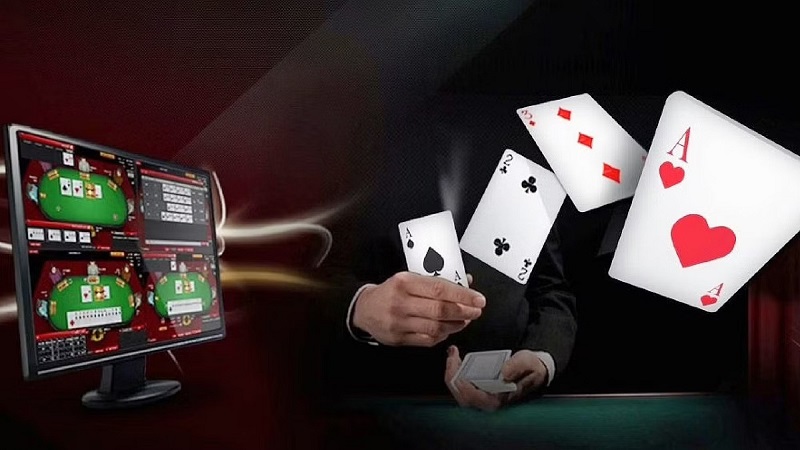
Pertama-tama, mari kita bahas poker online, yang dalam beberapa dekade terakhir telah mengubah cara orang bermain idn poker secara signifikan.
- Kemudahan Akses: Kemudahan akses adalah salah satu keunggulan utama poker online. Selama Anda terhubung ke internet, Anda memiliki kemampuan untuk bermain poker online kapan saja dan di mana saja. Ini berarti Anda tidak perlu lagi merencanakan untuk pergi ke kasino atau kasino lokal. Anda dapat duduk di sofa favorit Anda, mengambil perangkat elektronik Anda, dan memulai permainan.
- Variasi Permainan: Pemain memiliki lebih banyak opsi untuk menyesuaikan pengalaman permainan mereka dengan poker online, yang mencakup permainan seperti Texas Hold’em, Omaha, dan Seven Card Stud. Anda dapat mencoba berbagai jenis poker sampai Anda menemukan yang paling cocok dengan gaya bermain Anda.
- Turnamen Online: Turnamen adalah salah satu fitur utama poker online. Secara teratur ada turnamen berpenghargaan dengan hadiah uang tunai besar. Dengan buy-in yang sesuai dengan anggaran Anda, Anda dapat mengikuti turnamen poker ini dan berpotensi meraih kemenangan besar. Turnamen ini menambah unsur kompetisi yang menyenangkan.
Namun, ada beberapa hal yang perlu diperhatikan saat bermain poker online. Untuk menghindari risiko finansial yang berlebihan, Anda harus memilih platform yang tepercaya dan aman serta mengelola bankroll Anda dengan bijak.
Poker Online: Pengalaman Fisik dan Sosial
Mari kita beralih ke poker online asia langsung, sejenis permainan di mana pemain bermain dengan kartu di dunia nyata.
- Interaksi Sosial: Interaksi sosial adalah salah satu aspek yang menarik dari poker langsung. Bermain di sekitar meja dengan pemain lain memungkinkan Anda untuk membaca ekspresi wajah mereka, mendengar komentar mereka, dan merasakan suasana sosial yang berbeda. Dalam permainan poker langsung, kemampuan untuk membaca lawan fisik Anda sangat penting, dan Anda dapat menggunakan kemampuan ini untuk membuat keputusan yang lebih baik.
- Atmosfer Kasino: Bermain poker secara langsung di kasino adalah pengalaman yang mewah dan autentik. Suara kartu yang dikocok, lampu berkedip, dan suasana kasino yang ramai dapat meningkatkan sensasi bermain. Jika Anda mencari hiburan yang lebih mewah dan eksklusif, ini adalah pilihan yang tepat.
- Keterampilan Wajah: Kemampuan untuk membaca wajah dan tubuh lawan sangat penting dalam permainan poker langsung. Saat Anda berhasil membaca ekspresi lawan Anda dan membuat keputusan yang tepat, Anda dapat bersenang-senang karena dapat menemukan tanda-tanda kekuatan atau ketidakpastian lawan Anda.
Namun, bermain idn poker 88 langsung membawa beberapa masalah. Anda harus siap menghadapi tekanan sosial dan mungkin perlu perjalanan untuk bermain di tempat lain. Batasan pada meja dan jam buka kasino juga dapat membatasi kemampuan Anda.
Poker Online vs. Poker Langsung: Tantangan dan Pertimbangan saat Memilih
Poker Online: Tantangan dan Pertimbangan
Meskipun ada banyak keuntungan yang ditawarkan oleh link resmi nirwanapoker online, ada beberapa masalah yang harus Anda pertimbangkan:
1. Kecenderungan Kecanduan: Kemudahan bermain poker online dapat menyebabkan kecanduan judi. Selain memainkan permainan dengan bijak, penting untuk menetapkan batas waktu dan jumlah uang yang ketat.
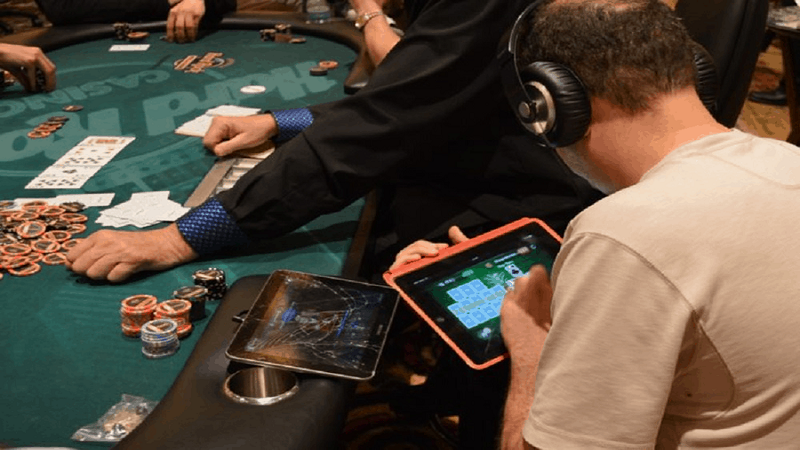
2. Kurangnya Interaksi Fisik: Salah satu elemen penting dari poker langsung adalah berinteraksi secara langsung dengan pemain lain. Namun, karena Anda hanya berkomunikasi melalui layar komputer atau perangkat seluler Anda, Anda kehilangan elemen ini dalam poker online.
3. Keamanan dan Kepercayaan: Sangat penting untuk memilih platform poker online yang aman dan dapat diandalkan. Pastikan untuk bermain di situs dengan lisensi resmi dan sistem keamanan yang kuat.
Poker Langsung: Hal-hal yang Harus Dipertimbangkan
Meskipun poker langsung menawarkan pengalaman sosial yang berbeda, beberapa hal perlu dipertimbangkan:
1. Biaya Perjalanan: Jika Anda ingin bermain poker langsung di kasino atau klub kartu, Anda mungkin perlu mempersiapkan perjalanan dan membelanjakan lebih banyak uang untuk akomodasi dan makanan.
2. Batasan Meja: Kasino seringkali memiliki batasan meja yang dapat membatasi variasi permainan dan pilihan taruhan Anda. Ini berarti Anda mungkin tidak dapat bermain dengan taruhan yang sangat rendah atau sangat tinggi seperti yang Anda lakukan di internet.
3. Waktu Operasional Kasino: Kasino memiliki jadwal yang terbatas, jadi mungkin tidak selalu sesuai dengan jadwal Anda. Jika Anda memiliki keterbatasan waktu, ini bisa menjadi masalah.
Penting untuk Dipertimbangkan Sebelum Memilih
Pertimbangkan hal-hal berikut sebelum Anda memutuskan apakah Anda lebih suka bermain poker online atau langsung:
1. Tujuan Bermain: Apakah Anda bermain poker sebagai hiburan atau untuk menghasilkan uang? Jika Anda mencari hiburan, poker, baik online maupun langsung, bisa menjadi pilihan yang bagus. Namun, jika Anda ingin menghasilkan uang dari poker, Anda harus memilih dengan hati-hati dan mengembangkan keterampilan Anda.
2. Kemampuan dan Pengalaman: Apakah Anda pemain berpengalaman atau pemula? Karena Anda dapat bermain dengan taruhan yang lebih rendah dan berlatih tanpa tekanan, poker online biasanya lebih ramah pemula. Di sisi lain, bermain poker langsung dapat menjadi lebih sulit karena Anda harus bermain langsung dengan pemain lain.
3. Preferensi Pribadi: Terakhir, ambil keputusan berdasarkan preferensi pribadi Anda. Apakah Anda menginginkan pengalaman sosial dari poker langsung atau lebih suka bermain dari kenyamanan rumah Anda?
Kesimpulan
Ketika memilih antara poker online dan poker langsung, penting untuk mempertimbangkan gaya bermain dan preferensi Anda. Poker online menawarkan berbagai variasi permainan dan akses yang mudah, sementara poker langsung menawarkan pengalaman sosial dan fisik yang berbeda.
Namun, perlu diingat bahwa poker, baik online maupun langsung, melibatkan taruhan uang sungguhan, yang dapat berisiko jika dimainkan dengan tidak bijak. Sangat penting untuk menetapkan batas dan menghindari perjudian. Bermain poker seharusnya hanya untuk hiburan, bukan untuk mendapatkan uang.
Anda dapat memilih antara bermain poker online yang nyaman atau menikmati suasana kasino langsung. Yang terpenting, selalu bermain dengan tanggung jawab dan nikmati setiap momen permainan.

23 Things You Did Not Know About Bartending Until You Tended Bar
Until recently I was one of the most over-trained bartenders who had never really tended bar. I’ve passed BarSmarts and the full B.A.R., attended zillions of little classes at places like Tales of the Cocktail and Bourbon & Branch’s Beverage Academy, watched and reviewed about a dozen bartending DVDs, and even won an online cocktail contest or two.
Then a couple weeks ago I actually got behind a bar to work. It was a large private party and I was one of many San Francisco bartenders hired to work the gig. We didn’t have to take money, people weren’t eating at the bar, and we only had a few specialty cocktails of the night, so I know I got off pretty easy. That was good because I was nervous as all heck, but within minutes all that training actually kicked in and I did an okay job of it if I don’t say so myself. (And if any of the patrons disagree, they’re not here to argue.)
Here 23 Things You Did Not Know About Bartending Until You Tended Bar
- Time flies. Writing is a long tortuous nightmare that takes all day, invades your dreams at night, and pays less than minimum wage. Bartending went by really quick and left me mentally alert if physically exhausted.
- I’m not used to standing up for more than half an hour in a row. The entire next day my legs were sore.
- When you’re busy, it’s kind of zen. You have to be so in-the-moment it’s really quite peaceful. Who needs yoga?
- You can feel all of their thirsty, beady, greedy little eyes on you.
- Most customers don’t remember who you are- they go back to the same spot at the bar and talk to the new bartender there as if he’s you.
- It’s just as dirty and sticky as I thought, but I minded it less than I thought I would.
- If you like the smell of good liquor, and I do, I do, every bottle you open is like a happy little memory.
- It can be very hard to hear.
- Some people watch every pour to make sure they’re getting their full amount of alcohol.
- But it would still be easy to fool those people and put in less if you wanted to.
- Drunk people are kind of cute, and also kind of annoying.
- I never mind when bartenders grab straws and garnish with their fingers and stick them into drinks, but when I did it I felt guilty every single time. I think this is an area where even most high-end bars could use some improvement.
- It made me really happy to make non-alcoholic drinks for people. My feelings toward non-alcoholic drinks have been well reported, but now I think maybe there should be more of them in the world.
- The scariest part of the job is worrying if people have planned to get home safely without driving.
- Paying attention to whether or not there are customers at the bar waiting for drinks seems to be the most important part of the job. I can no longer tolerate inattentive bartenders.
- That said, patrons can just pop up out of nowhere.
- I need to learn to do the nod that says, “I see you and will get to you just as soon as I finish this drink.”
- They don’t teach you the recipe for a Long Island Iced Tea in fancy bartending classes, so I had to ask a co-bartender with practical experience to handle the request.
- Driving to a busy bar, working for 12 hours, then driving home feels exactly like my early-1990’s existence: driving to a rave, dancing for 10 hours, and driving home.
- Minor scrapes and bruises are part of the job.
- I now understand why bartenders tend to remember a person’s drink and what they look like rather than their name. As I almost never have two of the same drinks in a row that must make it hard for some bartenders to recognize me.
- I have never been in a bar anywhere close to that long without having a drink. It was surprisingly not as uncomfortable as I thought it would be.
- It’s hard to not hate customers who stick their fingers in your garnish tray.

Cara Mengembangkan Pendekatan yang Sukses Slot Online
Membangun Fondasi Sukses dalam Judi Online
Mengeksplorasi Dunia Taruhan Online
Mulai dari idn slot online hingga taruhan olahraga, poker, roulette, dan banyak lagi, judi online menawarkan berbagai jenis permainan dan taruhan. Ini mungkin menjadi cara yang menyenangkan untuk menghabiskan waktu luang sambil mencari kesempatan untuk menang besar. Namun, perlu diingat bahwa judi online adalah tindakan berisiko, dan Anda harus selalu berhati-hati saat bermain.
Sangat penting untuk memahami jenis permainan yang ingin Anda mainkan sebelum memasuki dunia taruhan online. Apakah Anda lebih suka taruhan olahraga yang menggembirakan atau mesin slot yang menyenangkan dengan banyak tema? Pelajari aturan dan strategi dasar permainan yang Anda mainkan.
Memahami Manajemen Bankroll dan Risiko
Saat bermain judi online, langkah pertama yang harus Anda lakukan adalah memahami risiko yang terlibat. Kegagalan dalam mengelola risiko dapat berdampak serius pada keuangan Anda, jadi sangat penting untuk memiliki rencana manajemen bankroll yang baik.
Manajemen bankroll berarti menetapkan batas waktu harian atau mingguan untuk bermain idn slot 777 dan mematuhinya. Jangan pernah bermain dengan uang yang Anda tidak bisa kehilangan. Selalu simpan sejumlah uang khusus untuk bermain judi online, dan pastikan Anda tidak melebihi jumlah ini, bahkan jika Anda memiliki nasib baik.
Analisis dan Penelitian Mendalam
Baik Anda bermain olahraga atau bermain slot idn, memiliki pemahaman yang kuat tentang tim atau permainan yang Anda dukung adalah penting untuk berhasil dalam judi online.
Anda harus memahami aturan, statistik, dan tren dari olahraga yang Anda pilih jika Anda ingin bertaruh. Mempelajari statistik tim, hasil pertandingan sebelumnya, dan berita terbaru tentang olahraga dapat membantu Anda membuat keputusan.
Sebaliknya, sangat penting untuk memahami cara slot online bekerja. Anda dapat memeriksa peluang dan pembayaran yang ditawarkan oleh berbagai mesin dan mencoba berbagai strategi permainan untuk menentukan mana yang paling cocok untuk Anda.
Bagian ini memberikan dasar yang kuat untuk memulai perjudian online Anda. Meskipun demikian, penting untuk diingat bahwa judi harus selalu dimainkan dengan hati-hati dan dengan cara yang tepat. Hiburan dan kesenangan harus menjadi prioritas utama, dan Anda tidak boleh terbawa suasana sampai mengorbankan keuangan atau kesejahteraan Anda. Dalam bagian berikutnya, kita akan membahas teknik yang lebih mendalam untuk meningkatkan peluang Anda untuk menang dalam permainan judi online.
Strategi Sukses dalam Taruhan Online

Taruhan Olahraga dengan Pintar
Taruh pada olahraga yang Anda pahami dengan baik. Misalnya, jika Anda penggemar sepak bola, pertimbangkan untuk fokus pada taruhan pada pertandingan sepak bola. Anda akan mendapatkan pemahaman lebih dalam tentang tim, pemain, dan tren yang akan membantu Anda membuat keputusan yang lebih baik.
Selain itu, pertimbangkan jenis taruhan yang paling sesuai dengan pengetahuan Anda. Ada berbagai jenis taruhan olahraga, seperti taruhan spread, over/under, dan prop bets. Memahami bagaimana jenis taruhan ini berfungsi dan kapan mereka sebaiknya digunakan dapat membantu Anda meningkatkan peluang Anda.
Dalam taruhan olahraga, manajemen bankroll yang baik juga penting. Bahkan jika Anda yakin dengan taruhan Anda, tetapkan anggaran yang Anda siapkan khusus untuk taruhan olahraga dan jangan melebihinya. Manajemen bankroll yang baik akan membantu Anda tetap bermain dalam jangka panjang.
Keberuntungan vs. Keterampilan dalam Bermain Slot Online
Ketika Anda pertama kali masuk ke dunia slot88, seringkali orang bertanya tentang seberapa penting keberuntungan dalam permainan ini. Meskipun keberuntungan sangat penting untuk hasil setiap putaran, ada juga komponen keterampilan yang dapat memengaruhi hasil.
Pilih mesin slot yang tepat. Setiap mesin memiliki tema, paylines, jumlah gulungan, dan lainnya. Anda dapat melakukan riset tentang mesin-mesin tersebut dan memilih yang sesuai dengan preferensi Anda; beberapa mesin mungkin memiliki tingkat pengembalian yang lebih tinggi daripada yang lain, jadi memilih yang tepat dapat membuat perbedaan dalam jangka panjang.
Tentukan strategi untuk mengelola dana Anda. Meskipun bermain slot di internet bisa sangat menghibur, penting untuk tidak terbawa suasana dan melebihi anggaran yang telah Anda tetapkan. Tentukan batas setiap hari atau mingguan untuk bermain dan berpegang teguh pada batas tersebut.
Susun Tujuan Anda dan Evaluasi Kinerja Anda
Terakhir, pastikan Anda memiliki tujuan jelas untuk bermain judi online. Apakah Anda hanya bermain untuk hiburan, mencari keuntungan jangka panjang, atau hanya mengisi waktu luang? Memiliki tujuan yang jelas akan membantu Anda membuat strategi.
Selain itu, evaluasi kinerja Anda secara teratur. Pelajari dari pengalaman Anda—apa yang Anda lakukan atau tidak—dan gunakan pengetahuan ini untuk memperbaiki pendekatan Anda. Jangan ragu untuk mengubah strategi Anda jika Anda pikir itu tidak berfungsi.
Kesimpulan
Mengembangkan metode taruhan online yang efektif membutuhkan waktu, dedikasi, dan keahlian yang kuat. Sangat penting untuk memahami risiko yang terlibat, memiliki rencana manajemen bankroll yang baik, dan melakukan riset yang mendalam sebelum bertaruh. Selalu mempertimbangkan strategi yang bijak dan bertanggung jawab baik saat Anda bermain slot online atau bertaruh pada olahraga. Ingatlah bahwa taruhan online harus merupakan bentuk rekreasi yang aman. Selamat bersenang-senang dan semoga perjalanan Anda berhasil!